
Symptom guideDraft
My dog keeps sneezing: what might my vet investigate?
Why dogs sneeze, when to contact your vet, and which tests might be considered if sneezing doesn't settle.
7 min read

A veterinary knowledge resource for dog and cat owners
Clear explanations of veterinary tests, camera examinations and keyhole treatments—so you can feel better informed about the next step.
Browse by condition
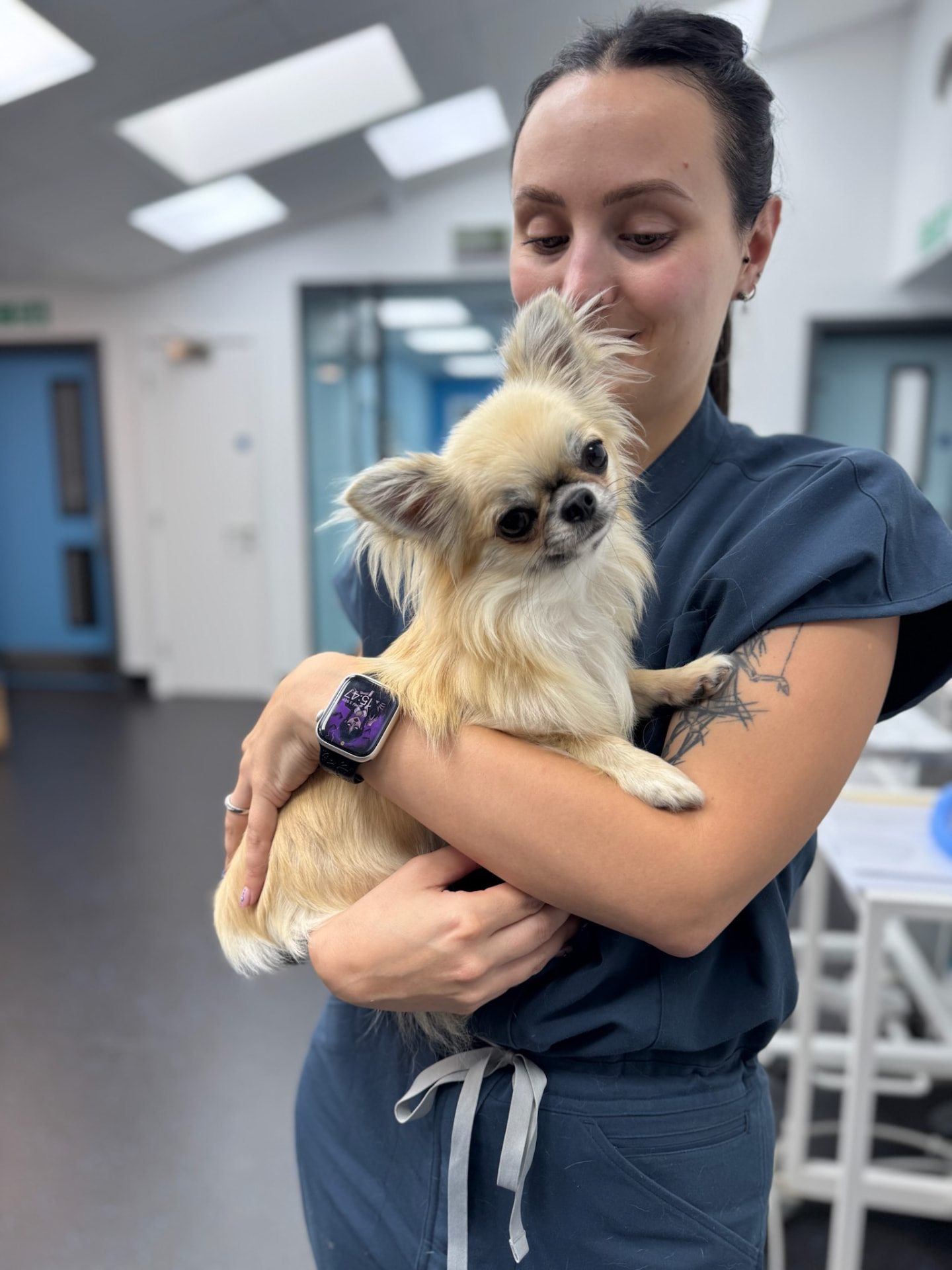
Urine leakage and problems with bladder control.
Explore related guides
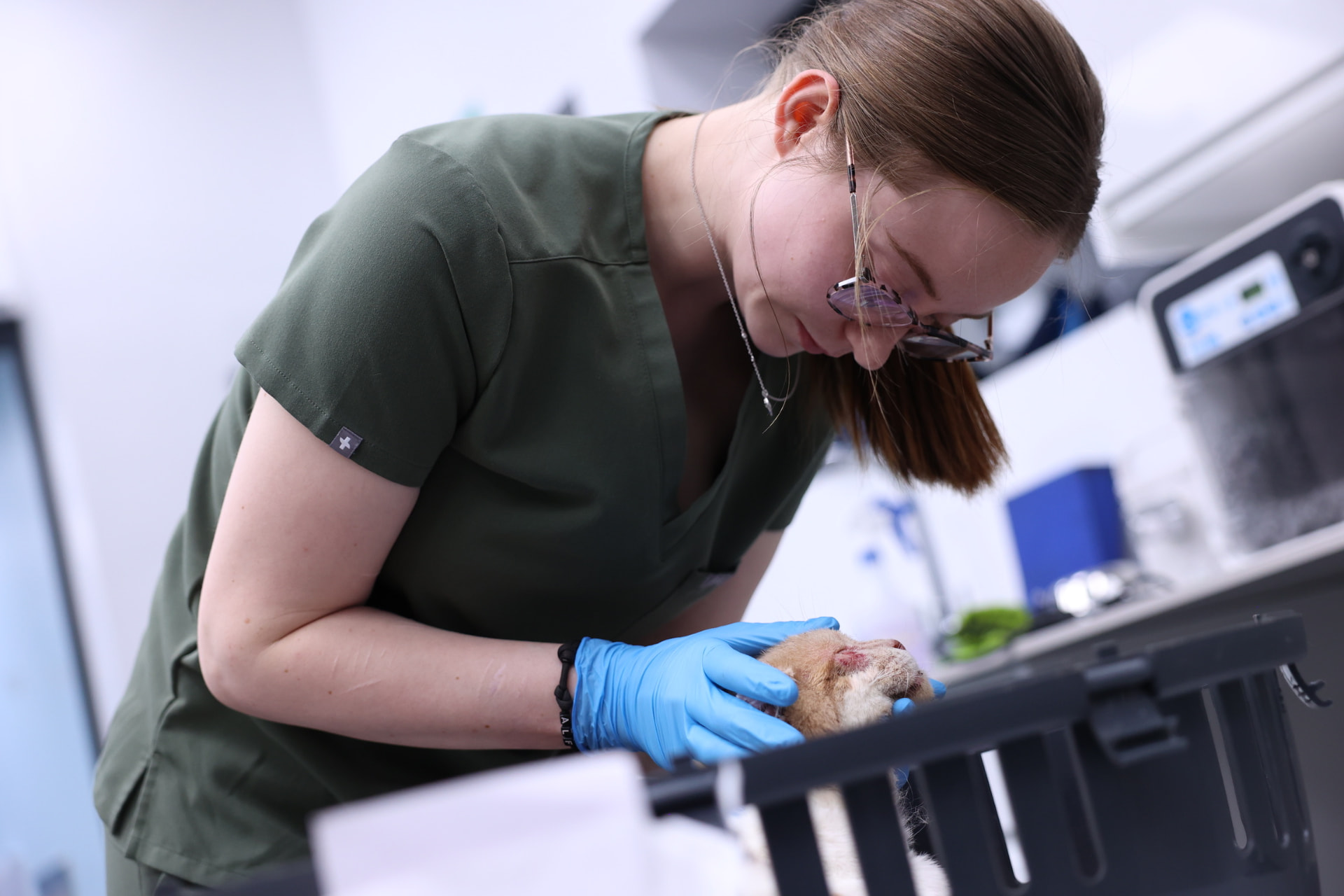
Stones in the bladder and urinary tract.
Explore related guides
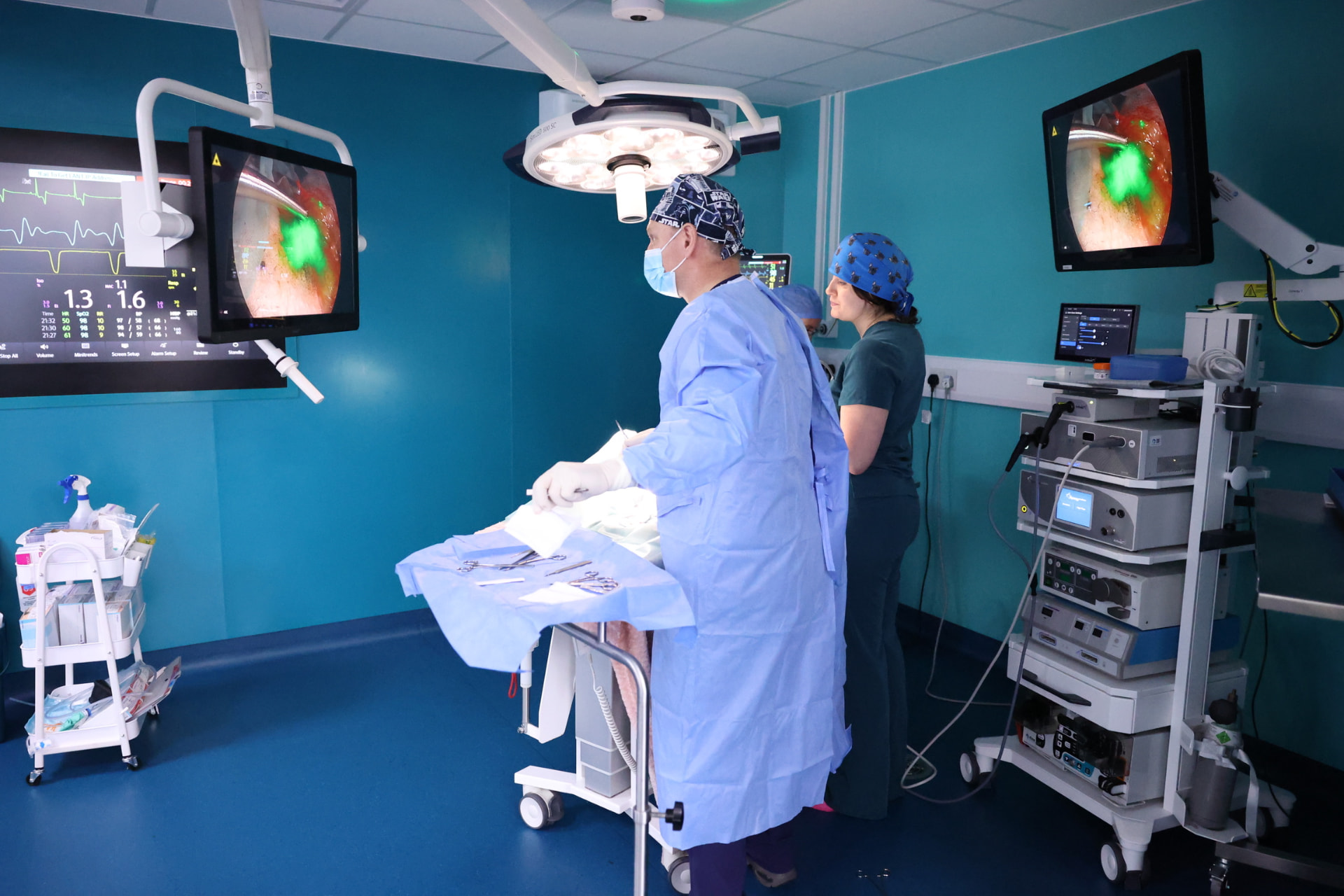
Swallowed objects and how vets investigate them.
Explore related guides
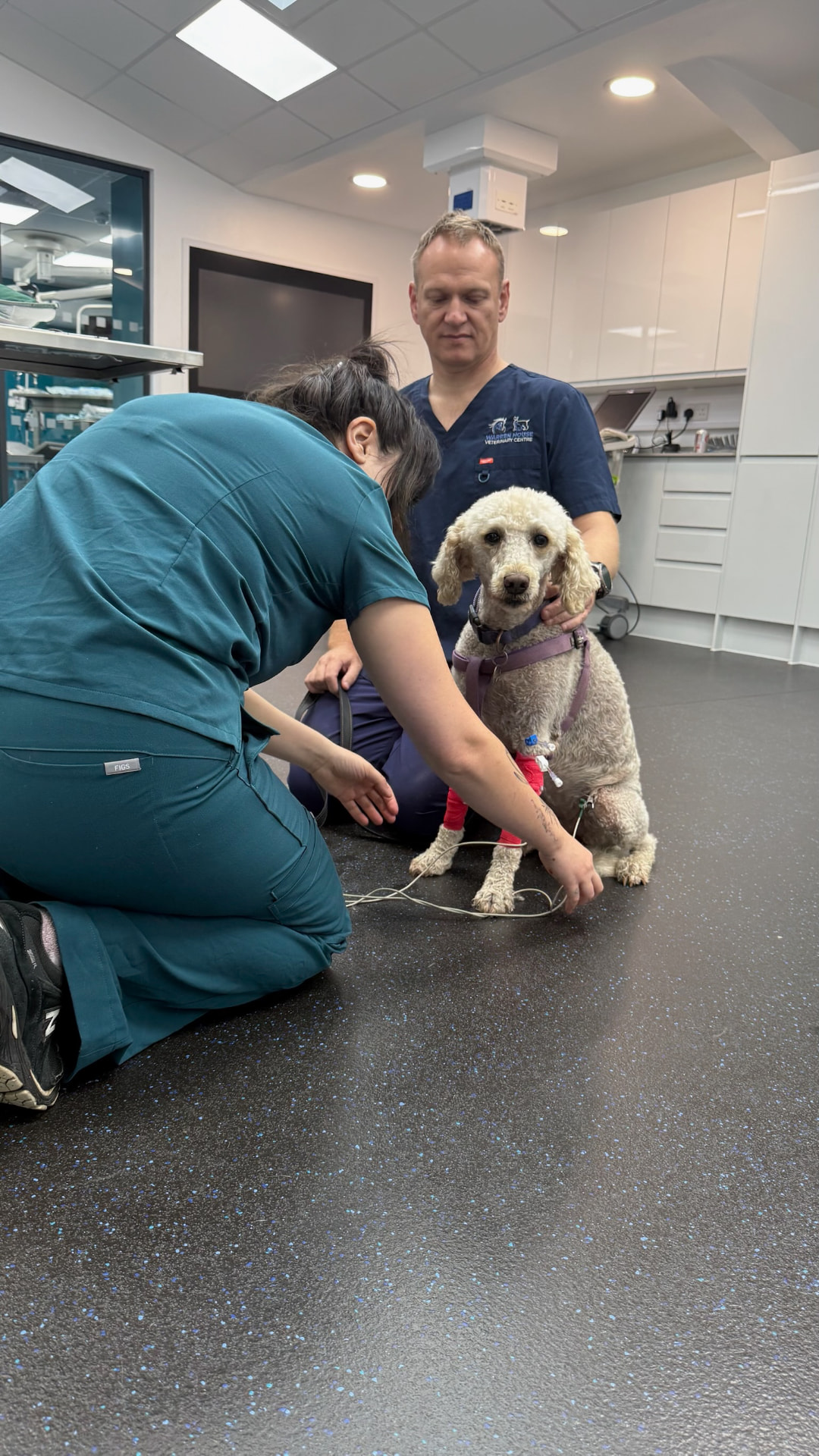
Growths inside the nose and the tests used to investigate them.
Explore related guides
Featured guides
Why dogs sneeze, when to contact your vet, and which tests might be considered if sneezing doesn't settle.
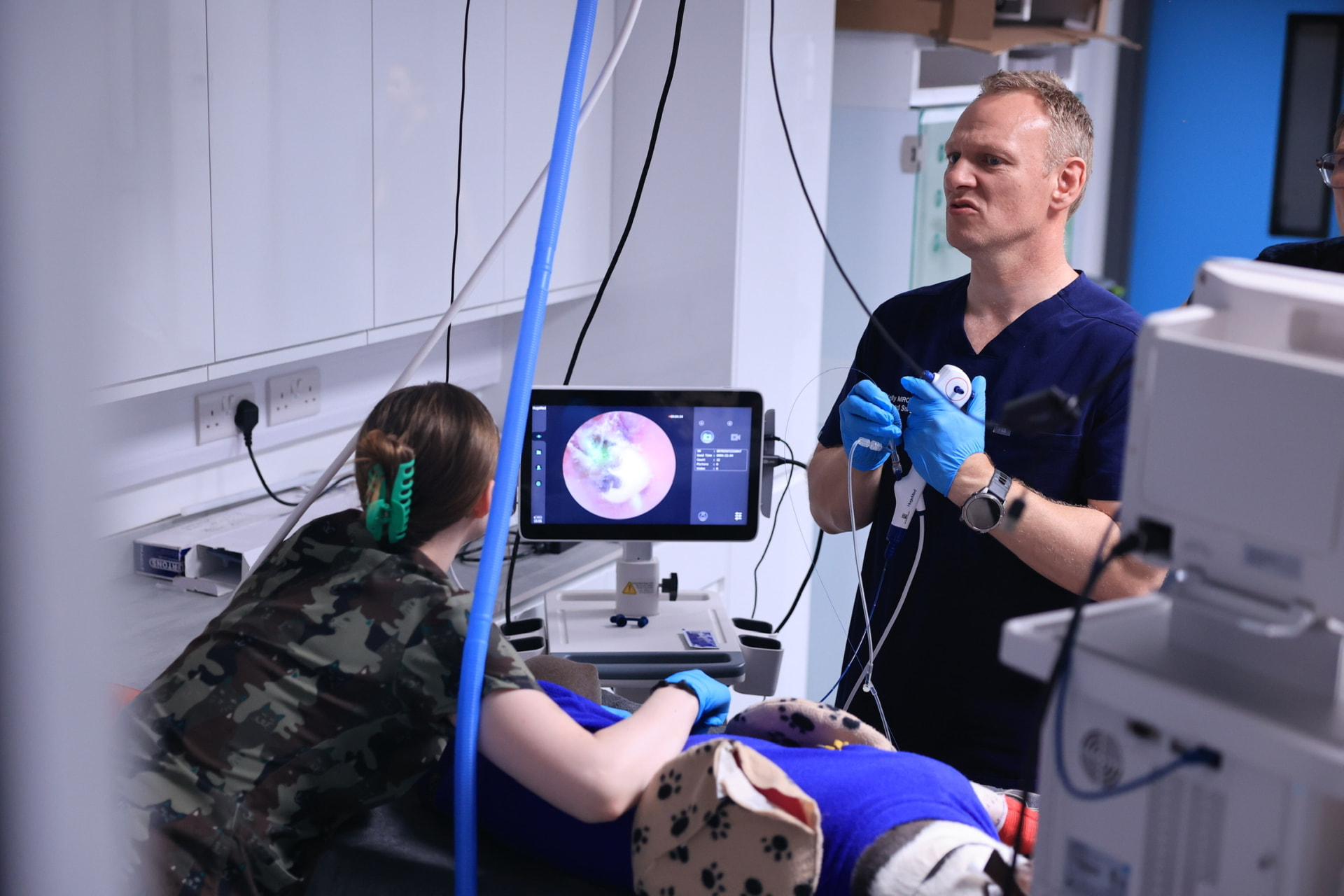
How a camera examination of the gut works, what it can reveal, and the questions it can't answer on its own.
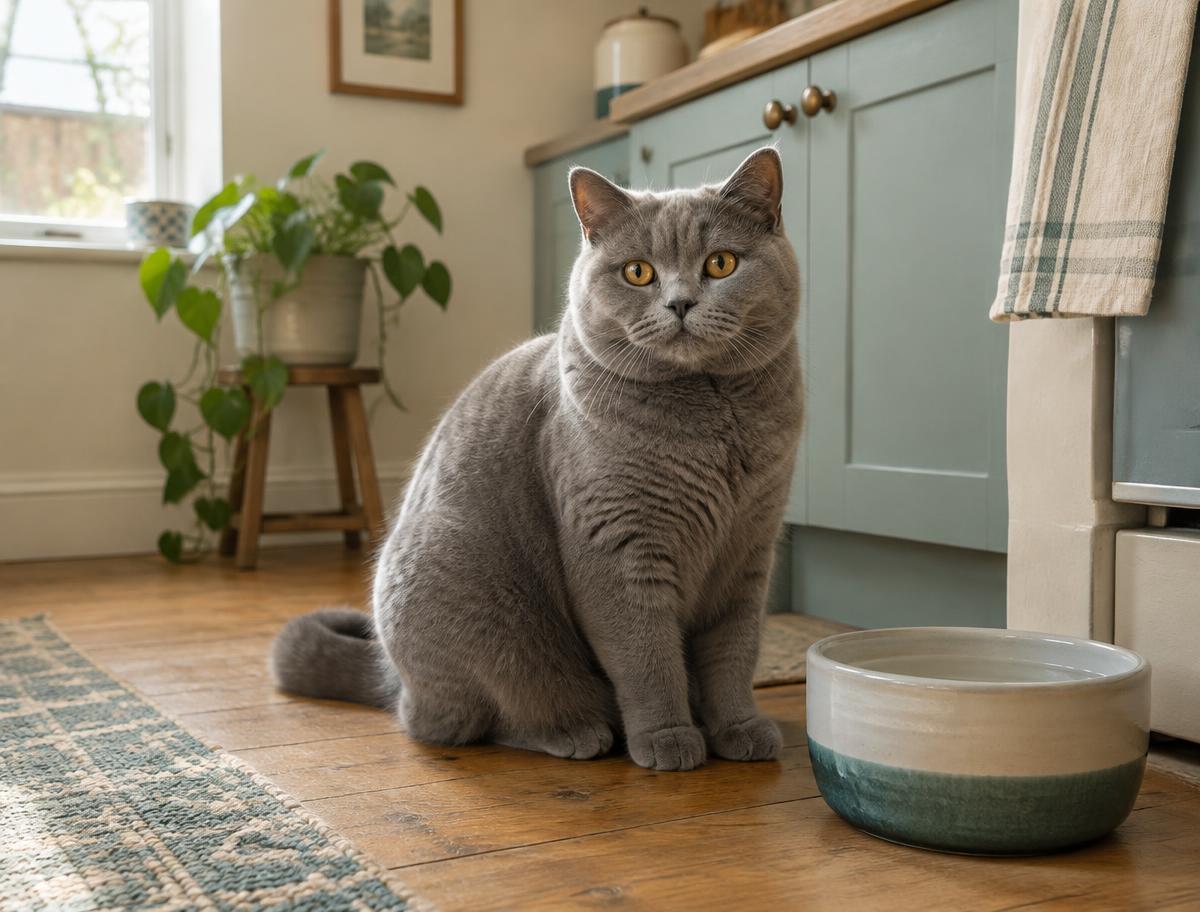
Signs of bladder stones, how vets investigate them, and the range of treatment options — from diet to surgery.
See inside
Each clip will be annotated so you know exactly what you’re looking at. Nothing plays automatically, and clinical footage carries a clear content notice.
Video placeholder
Genuine, consented footage will be added after clinical review.
Will include a content noticeInside the nose: the landmarks a vet looks for
A guided tour of the nasal passages, pointing out normal structures before any abnormal findings.
Video placeholder
Genuine, consented footage will be added after clinical review.
Will include a content noticeA look inside a healthy stomach
What a normal stomach lining looks like on camera, so differences make more sense.
Video placeholder
Genuine, consented footage will be added after clinical review.
Will include a content noticeHow swallowed objects can be retrieved
An explained sequence showing how instruments pass through an endoscope.
Follow a real case
Each case will follow one pet’s journey step by step — what the owner noticed, why a test was chosen, what it showed and what happened next.
Our first stories are being prepared. They’ll only be published with the owner’s consent and after clinical review.
How case stories work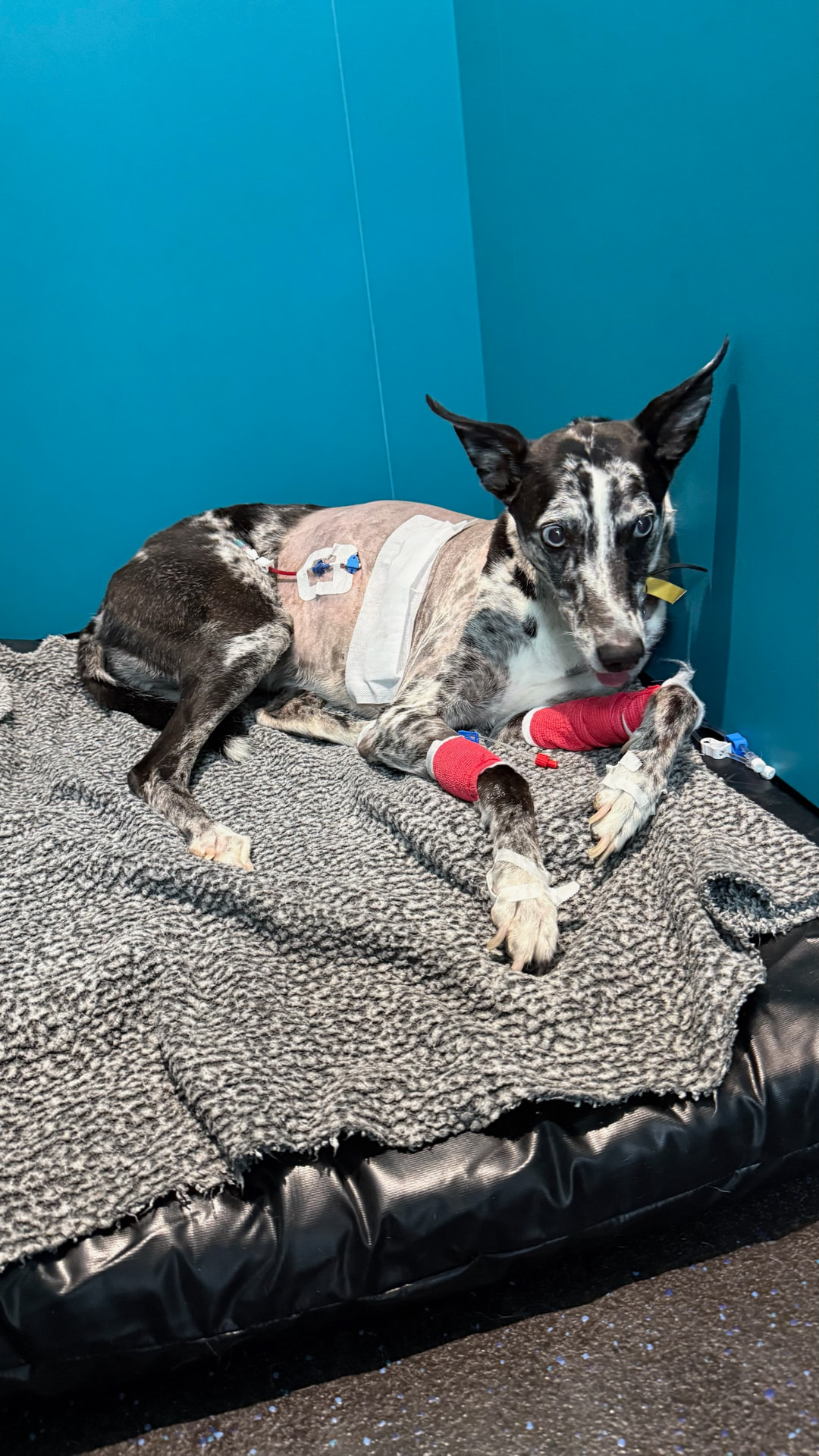
What the owner noticed
The signs that first raised concern at home.
Initial assessment
What the first vet found and considered.
Why the investigation was chosen
The question the test was meant to answer.
What was found
The findings, explained in plain language.
Treatment
The options discussed and the one chosen.
Recovery and follow-up
What happened afterwards.
What this case helps explain
The wider lesson for other owners.

Who creates and reviews this information
Guides are produced by Vetemis Referrals in plain language, with medical terms explained as they appear.
Each guide will show its author, clinical reviewer and review date once those details are verified.
Until then, guides are clearly marked as drafts and kept out of search engines.
Pet Care Explained is produced by Vetemis Referrals, a veterinary referral service. If your vet suggests a referral, you can find out more about Vetemis on their own website — and it’s always worth discussing which options suit your pet with your vet.
Learn about investigations at Vetemis(opens vetemis.co.uk)How referrals work