Pet Care Explained

For veterinary professionals

For vets

Brief procedure overviews and a referral preparation checklist, to support conversations with clients.
Draft for discussion — not an approved clinical protocol. These summaries are general background and haven’t yet been clinically reviewed. For current referral information, criteria and arrangements, please refer to Vetemis directly. For veterinary professionals: visit Vetemis for referral information(opens vetemis.co.uk)
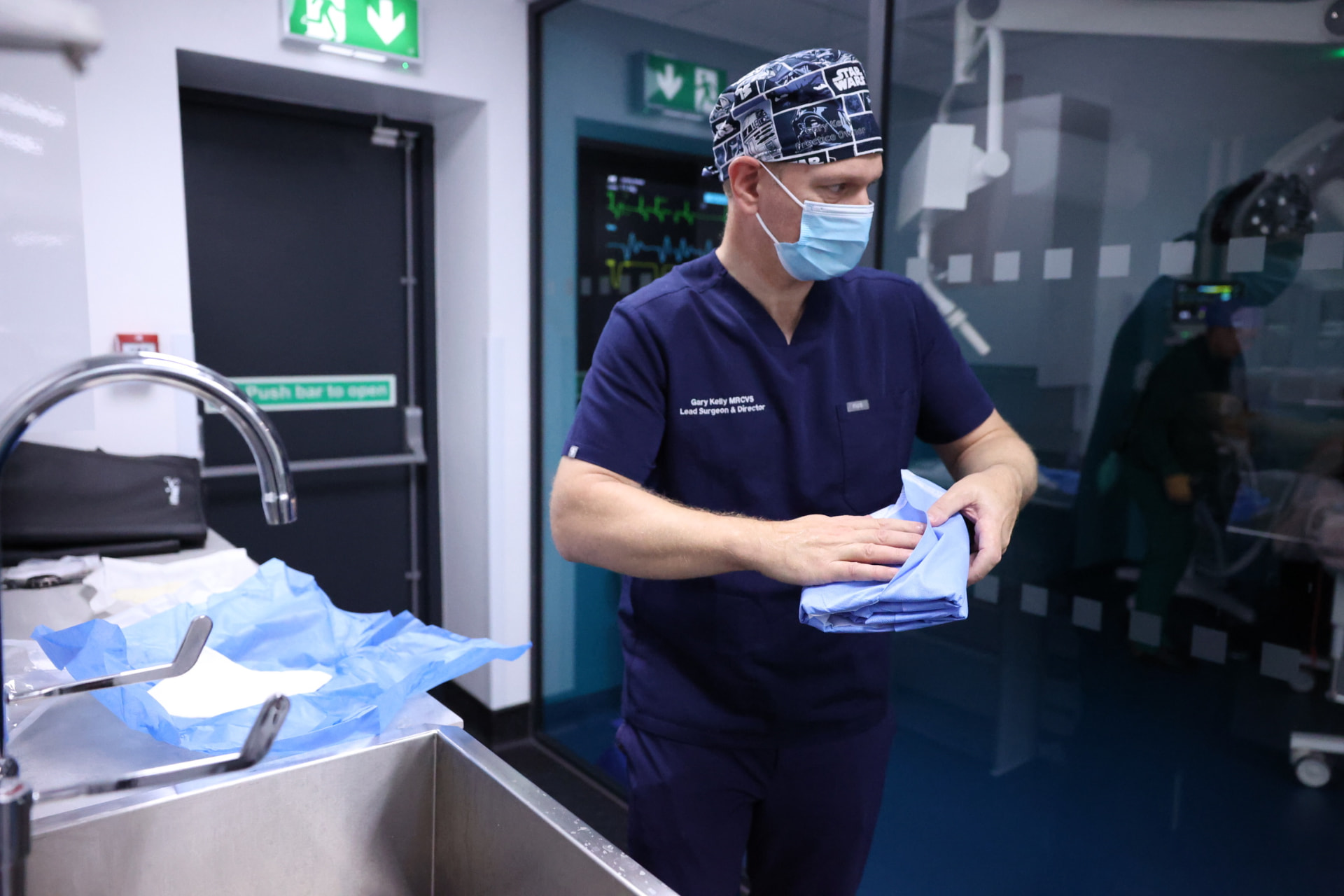
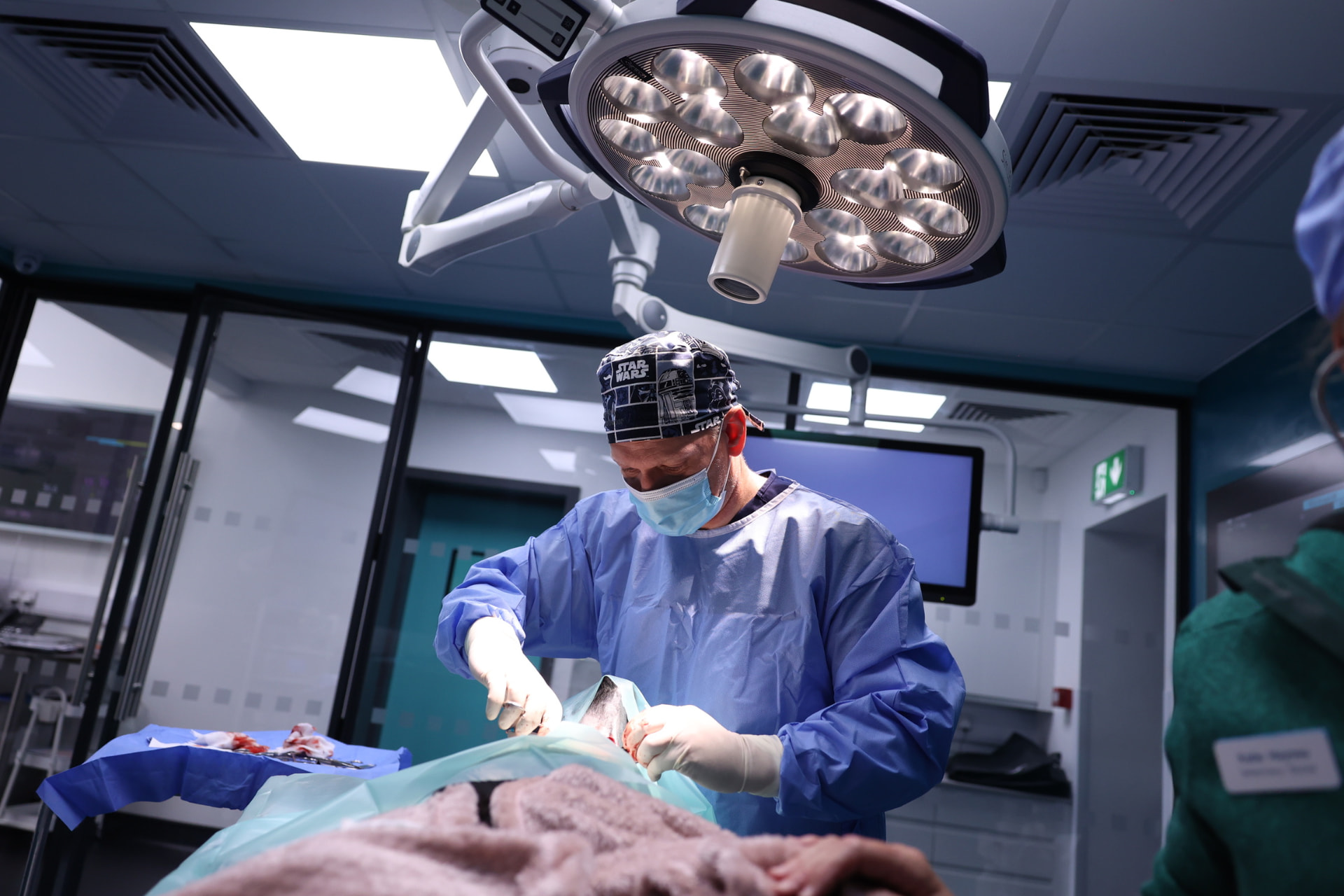
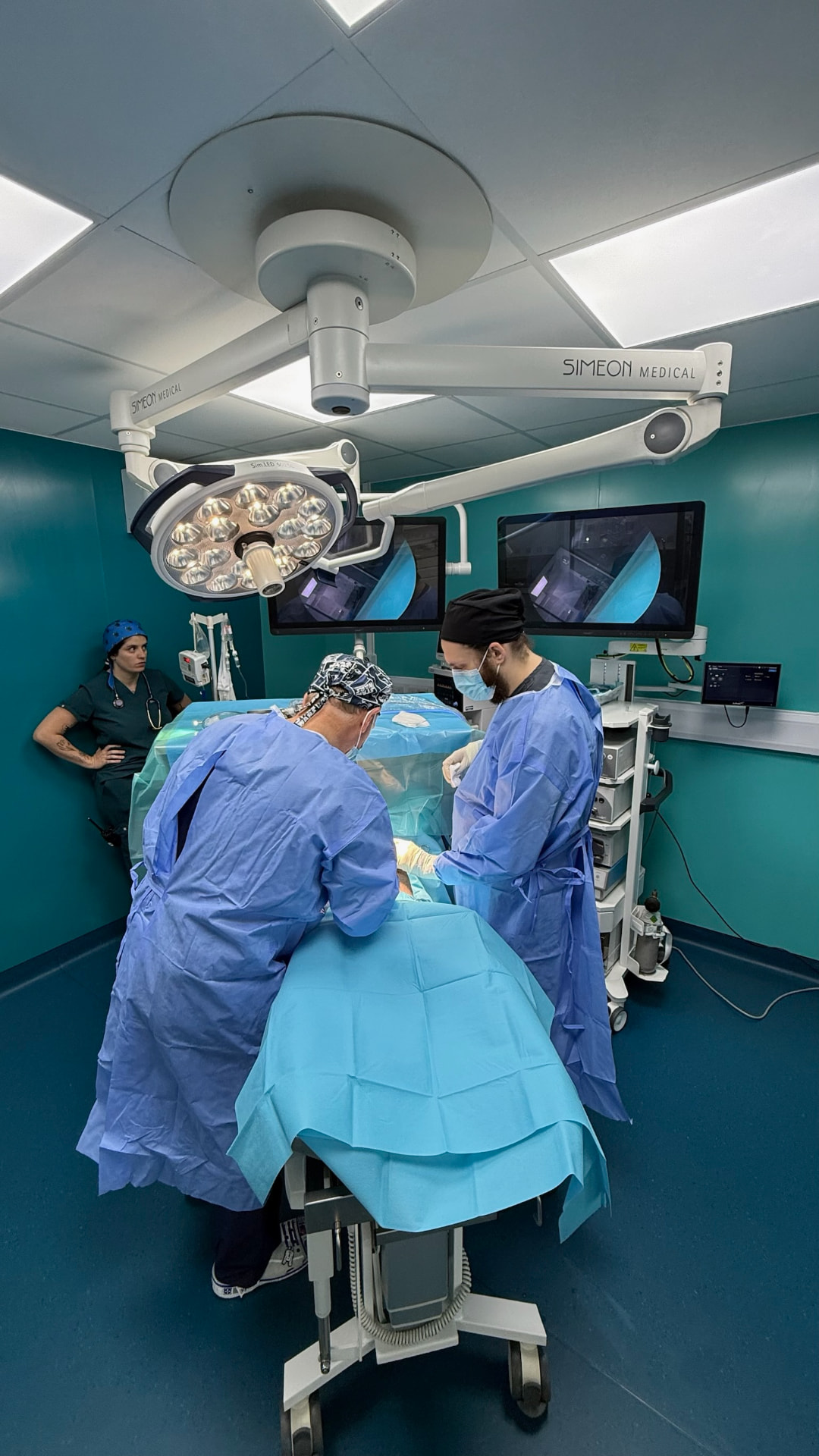
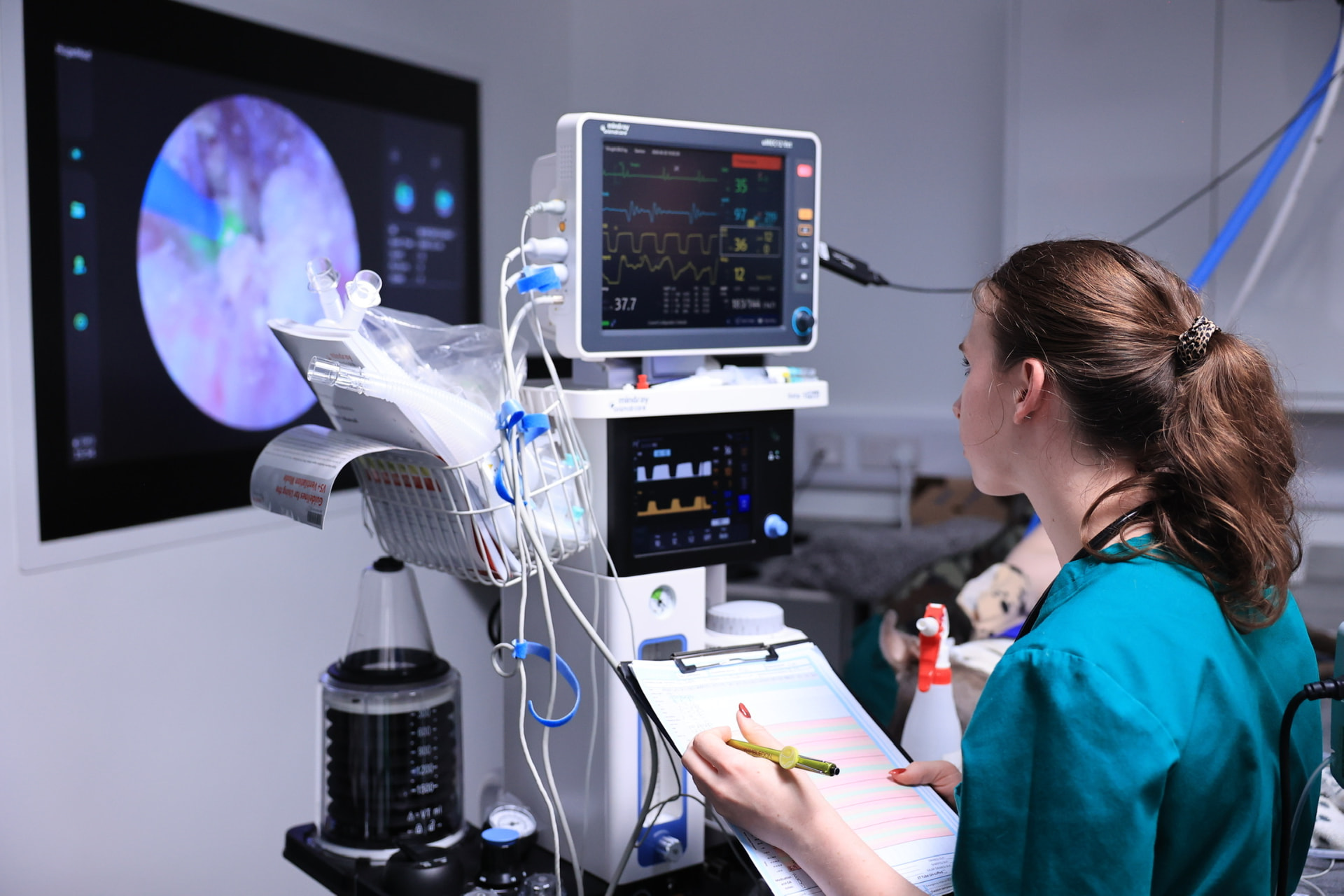
A Vetemis surgeon preparing sterile drapes at the scrub sink before surgery.A Vetemis surgeon operating under the theatre light.Two Vetemis surgeons working at a draped operating table under the theatre light.A Vetemis nurse recording the anaesthesia chart while monitoring a patient.

Procedure overviews

Rhinoscopy

Anterior and posterior examination of the nasal cavity and nasopharynx, typically combined with CT under the same anaesthetic.

Indications

  • Chronic nasal discharge, sneezing or epistaxis not explained by initial work-up
  • Suspected nasal or nasopharyngeal foreign body
  • Targeted biopsy following cross-sectional imaging

Limitations

  • Frontal sinuses and some recesses difficult to assess
  • Haemorrhage may limit visualisation
  • Biopsies may be non-diagnostic; CT generally better for extent and bony involvement

Gastrointestinal endoscopy

Upper GI (oesophagus, stomach, duodenum) and lower GI (colon, ileum where accessible) assessment and mucosal biopsy.

Indications

  • Chronic vomiting, regurgitation, diarrhoea or weight loss after appropriate initial investigation
  • Oesophageal or gastric foreign body retrieval
  • Mucosal biopsy for suspected chronic enteropathy

Limitations

  • Mucosal sampling only — full-thickness changes may be missed
  • Much of the jejunum not accessible
  • Extra-intestinal structures not assessed

Cystoscopy

Transurethral (or percutaneous) examination of the lower urinary tract, with potential for stone retrieval and biopsy.

Indications

  • Recurrent lower urinary tract signs
  • Small uroliths suitable for retrieval
  • Assessment of suspected congenital anomalies such as ectopic ureters

Limitations

  • Transurethral access limited by patient size and sex
  • Larger urolith burden may require PCCL or cystotomy

Laparoscopic procedures

Minimally invasive abdominal procedures such as ovariectomy, organ biopsy and selected assisted techniques.

Indications

  • Elective neutering where laparoscopic ovariectomy is preferred
  • Liver and other organ biopsy
  • Selected laparoscopic-assisted procedures

Limitations

  • Patient size and condition may preclude a laparoscopic approach
  • Conversion to open surgery may be required
  • Equipment and experience dependent

Referral preparation checklist

A general checklist to help referrals run smoothly. Individual referral centres may have their own requirements — always check current arrangements.

Clinical history

  • Concise summary of presenting signs and duration
  • Relevant previous history and concurrent conditions
  • Treatments tried and response
  • Current medications, doses and timing of last dose

Results and imaging

  • Recent haematology, biochemistry and urinalysis
  • Culture and cytology or histopathology reports
  • Imaging in original format (DICOM) where possible, with reports

Owner preparation

  • Owner understands the reason for referral and what may be discussed
  • Owner aware that investigation may involve sedation or anaesthesia
  • Insurance details and pre-authorisation, if applicable
  • Any instructions from the referral centre, such as fasting or medication changes

Practical

  • Referring vet contact details for reports
  • Your clinical question — what you'd like the referral to answer

Owner-facing guides on this site can be shared with clients to support discussions. For veterinary professionals: visit Vetemis for referral information(opens vetemis.co.uk)